
Driving in Ksamil: Traffic Realities, Parking Secrets, and Local Road Rules
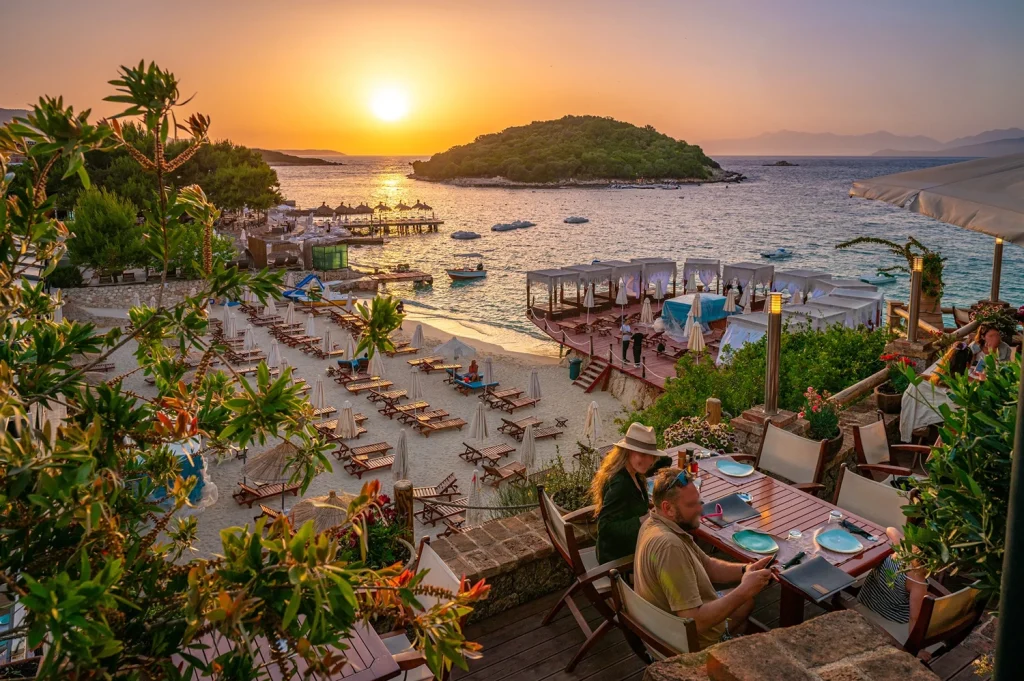
Renting a car is hands-down the best way to explore the Albanian Riviera. It gives you the freedom to escape the main strips and hunt down secluded, empty coves along the coastline. However, if your itinerary includes driving in Ksamil during the peak summer months, you need to prepare yourself for a unique set of infrastructure challenges.
Ksamil was originally a quiet, small coastal village. The sudden explosion of tourism means its narrow streets face heavy congestion from June through September. To keep your road trip smooth and stress-free, here is everything you need to know about navigating Ksamil by car.
1. The Summer Traffic Bottleneck
The main artery running directly through the town is the SH81 highway, which connects Saranda to the ancient ruins of Butrint.
-
The Peak Hours: Between 9:30 AM and 11:00 AM (when everyone heads to the beach) and 4:30 PM to 6:30 PM (when everyone leaves the beach), this single road can slow down to a complete crawl.
-
The Solution: If you are driving to a specific beach club, aim to pass through the town center before 9:00 AM. Alternatively, plan your return drive after sunset when the initial beach-exodus traffic has dissolved.
2. The Golden Rules of Parking in Ksamil
Finding a parking spot near the famous beaches like Lori Beach or Bora Bora Beach can be highly competitive.
-
Paid Beach Lots: Most beach clubs operate their own dirt parking lots. Expect to pay between 500 LEK to 1,000 LEK (approx. €5 to €10) per day. Some high-end clubs will waive this fee if you spend a specific minimum amount on sunbeds or at their restaurant.
-
Free Parking Hacks: Free street parking is available further up the hill in the residential zones of the village. If you don’t mind a 5-to-10-minute downhill walk to the water, you can save your cash.
-
Avoid the Yellow Lines: Do not block narrow alleyways or park along curbs marked with yellow paint. While parking enforcement used to be lax, local police now actively fine or tow vehicles that block traffic flow.
3. Understanding Local Driving Culture
Albanian driving culture is often described by foreigners as assertive and unpredictable. To drive safely, adopt a defensive mindset and keep these quirks in mind:
-
The Creative Use of Indicators: Local drivers frequently use their hazard lights to signal that they are stopping abruptly in the middle of the road to drop someone off or chat with a pedestrian. Maintain a safe following distance at all times.
-
Right of Way: In roundabouts and intersections, the biggest vehicle or the most assertive driver often takes the right of way, regardless of standard traffic signs. Move slowly, make eye contact, and yield when in doubt.
-
Pedestrians: Tourists clad in beach gear will routinely step out into the main road without looking. Keep your speed low inside the village limits.
4. Road Conditions and Hidden Coves
While the main highway connecting Saranda, Ksamil, and Butrint is fully paved and in excellent condition, the side roads leading directly down to the beaches are a different story.
-
Many access roads to hidden gems—like Pulëbardha or Pema e Thatë—transition into steep, unpaved gravel tracks full of potholes.
-
Vehicle Choice: You do not strictly need a to survive these roads, but a standard economy car requires very slow, careful driving to avoid damaging the underside of the vehicle. If you rent a car, ensure your insurance policy covers damage to tires and the undercarriage.